






Published on November 2, 2026
Shorter days, more time indoors and sniffles all around the office: cold and flu season has arrived. There is no magic trick that makes you immune, but some simple habits really do help, and many of them fit perfectly into a good sauna evening.
Can a sauna really support your immune system?
It looks like it can, if you make it a habit.
In an Austrian study, people who took regular saunas for six months caught roughly half as many colds by the end¹. A study in Finland that followed over 2,000 men for 25 years found that two to three saunas a week went with about a third lower risk of pneumonia².
In the heat, your body briefly acts as if it has a mild fever, and researchers have measured a short rise in white blood cells after a session³. The studies have limits, so think of the sauna as a great wellbeing habit, not a vaccine.
Your cold-season sauna ritual
The secret ingredient is regularity: a few saunas a week over months, not one marathon session when a cold is already brewing.
- Go 2-4 evenings a week, with 2-3 rounds of 10-20 minutes each.
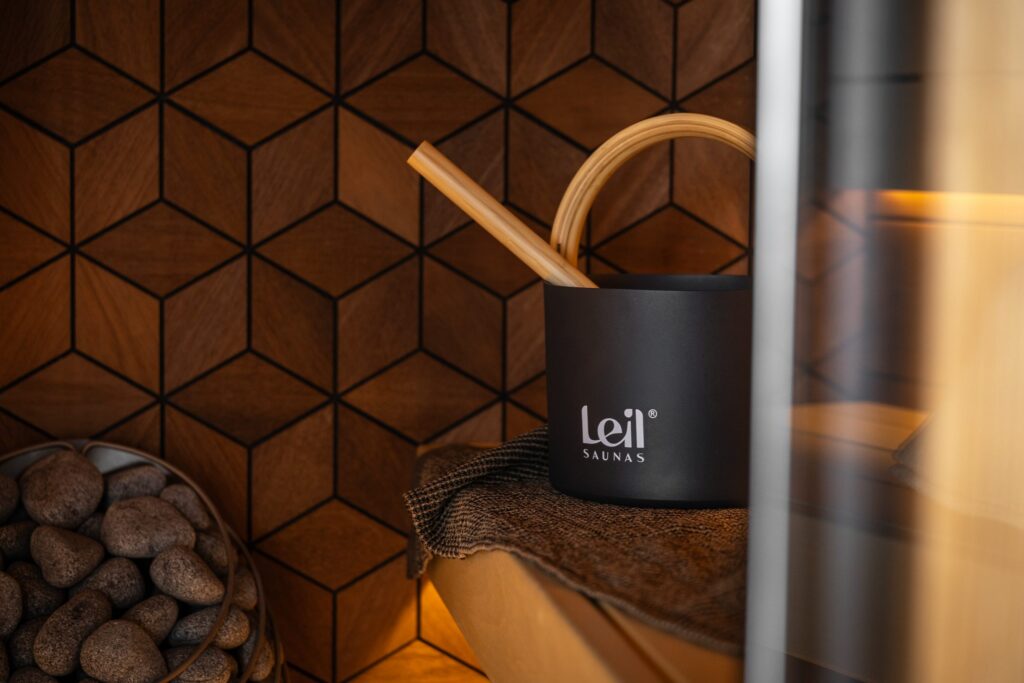
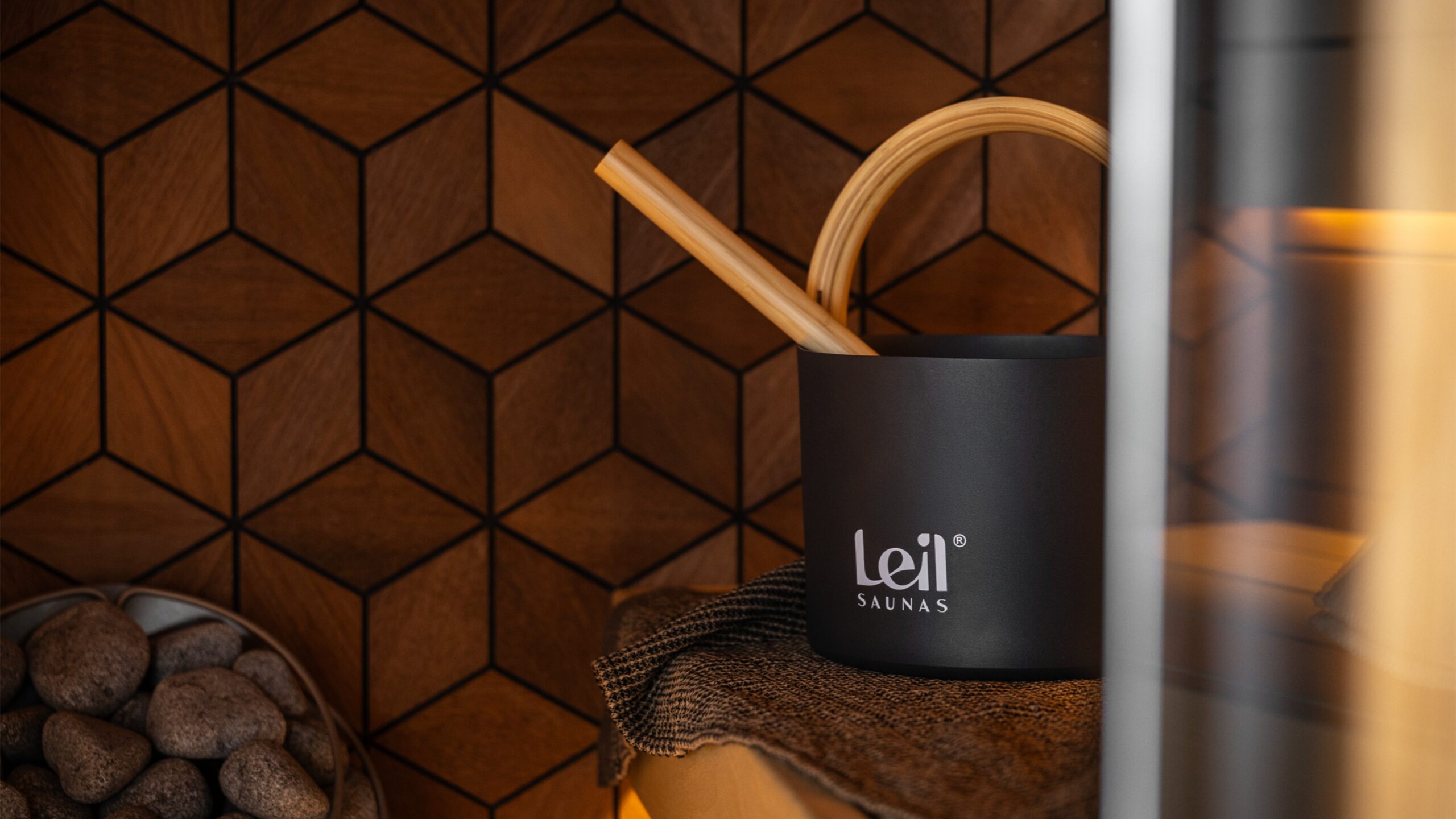
- Throw some leil. Leil is the Estonian word for the steam that rises when you pour water on the hot stones. It feels wonderful on a dry winter throat.
- Sip water, skip the beer. Alcohol makes it harder for your body to keep blood pressure steady in the heat, which raises the risk of fainting, falls and heart rhythm problems.
- Wind down slowly with a cup of tea with honey.
If you have a fever or feel properly unwell, rest instead.
Hot, then cold: why the cool-down matters
Every proper sauna evening includes a cold moment: a quick shower, a bucket of water over the head, or a brave dip in the lake. It turns out this Nordic tradition may do more than wake you up.
In a Dutch study of over 3,000 people, ending a warm shower with just 30-90 seconds of cold water led to 29% fewer sick days off work⁴. Interestingly, they did not catch fewer colds. Instead, they seemed to cope with them better.
New to it? Start with cool water and build up gradually.
Why the caution? Sudden cold triggers the so-called cold shock response: you gasp, your heart rate jumps and your blood pressure spikes as blood vessels in the skin clamp shut. A healthy heart handles this easily, but in people with heart disease it can trigger dangerous heart rhythms⁵. So if you have a heart condition or high blood pressure, check with your doctor before ice-cold plunges.
Honey for cough: the perfect after-sauna drink
Grandma was right: honey will not stop a cold, but an Oxford review of 14 studies found it eases coughs and cold symptoms better than usual care⁶.
After your last round, stir a spoonful into warm (not boiling) herbal tea. Many cultures have their own version: Kenya’s warm dawa with ginger, lemon and honey, Korea’s citrusy yuja-cha, or Estonia’s linden blossom tea.

Sleep and movement as immune boosters
Sleep seven hours or more. People sleeping under six hours a night were about four times more likely to catch a cold in one experiment⁷. Warming up 1-2 hours before bed can also help you fall asleep faster⁸, as your body cools down afterwards. Research has mostly tested warm baths, but a sauna works on the same principle, so finish an hour or two before bedtime.
Move most days. People who exercised five or more days a week through the cold and flu season had 43% fewer days with cold symptoms⁹. A walk or a ski trip followed by a sauna is a classic Nordic combination.
Frequently asked questions
Can you sweat out a cold in the sauna?
Sadly, no. In a German study, breathing hot sauna air made no real difference to cold symptoms¹⁰. The sauna works best as a habit while you are healthy.
Should I go to the sauna when I have a cold?
Not with a fever. Your body is already running hot, and the extra heat and fluid loss strain your heart and can cause dizziness or fainting. Wait until the fever is gone and you feel recovered, then start with shorter sessions. With just a light sniffle, a short, gentle session is usually fine, but skip shared saunas.
Make it a habit
Three sauna evenings a week, good sleep and daily movement cover the most important habits. So light the stove, throw some leil and enjoy the ritual. Your body will thank you.
This article is for general information and is not medical advice. If you have a heart condition, blood pressure problems, are pregnant or have any doubts, talk to your doctor before starting regular sauna or cold-water routines.
Sources
1. Ernst E, Pecho E, Wirz P, Saradeth T. Regular sauna bathing and the incidence of common colds. Annals of Medicine. 1990;22(4):225–7.
2. Kunutsor SK, Laukkanen T, Laukkanen JA. Frequent sauna bathing may reduce the risk of pneumonia in middle-aged Caucasian men: the KIHD prospective cohort study. Respiratory Medicine. 2017;132:161–3.
3. Pilch W et al. Effect of a single Finnish sauna session on white blood cell profile and cortisol levels in athletes and non-athletes. Journal of Human Kinetics. 2013;39:127–35.
4. Buijze GA et al. The effect of cold showering on health and work: a randomized controlled trial. PLOS ONE. 2016;11(9):e0161749.
5. Shattock MJ, Tipton MJ. ‘Autonomic conflict’: a different way to die during cold water immersion? Journal of Physiology. 2012.
6. Abuelgasim H, Albury C, Lee J. Effectiveness of honey for symptomatic relief in upper respiratory tract infections: a systematic review and meta-analysis. BMJ Evidence-Based Medicine. 2021;26(2):57–64.
7. Prather AA, Janicki-Deverts D, Hall MH, Cohen S. Behaviorally assessed sleep and susceptibility to the common cold. Sleep. 2015;38(9):1353–9.
8. Haghayegh S et al. Before-bedtime passive body heating by warm shower or bath to improve sleep: a systematic review and meta-analysis. Sleep Medicine Reviews. 2019;46:124–35.
9. Nieman DC et al. Upper respiratory tract infection is reduced in physically fit and active adults. British Journal of Sports Medicine. 2011;45(12):987–92.
10. Pach D et al. Visiting a sauna: does inhaling hot dry air reduce common cold symptoms? A randomised controlled trial. Medical Journal of Australia. 2010;193(11–12):730–4.
11. Hemilä H, Chalker E. Vitamin C for preventing and treating the common cold. Cochrane Database of Systematic Reviews. 2013;(1):CD000980.